
The Parkinson’s Protocol™ By Jodi Knapp Parkinson’s disease cannot be eliminated completely but its symptoms can be reduced, damages can be repaired and its progression can be delayed considerably by using various simple and natural things. In this eBook, a natural program to treat Parkinson’s disease is provided online. it includes 12 easy steps to repair your body and reduce the symptoms of this disease. The creator of this program has divided into four segments to cover a complete plan to treat this disease along with improving your health and life by knowing everything about this health problem. The main focus of this program is on boosting the levels of hormone in your brain by making e a few easy changes in your lifestyle, diet, and thoughts
How can speech therapy assist Parkinson’s patients?
Speech therapy is a vital part of managing Parkinson’s disease, especially as the condition often affects speech and swallowing. Here’s how it helps Parkinson’s patients:
How Speech Therapy Assists Parkinson’s Patients
1. Improves Speech Clarity and Volume
Parkinson’s can cause hypophonia (soft speech) and monotone voice.
Speech therapists teach techniques to increase vocal loudness, improve articulation, and add natural intonation.
The Lee Silverman Voice Treatment (LSVT LOUD) is a specialized, evidence-based program widely used to enhance voice loudness and clarity.
2. Enhances Communication Skills
Therapy helps with pacing speech, breath control, and reducing speech rate to improve intelligibility.
Alternative communication strategies (like gestures or communication aids) may be introduced if speech becomes very difficult.
3. Manages Swallowing Difficulties (Dysphagia)
Parkinson’s often leads to impaired swallowing, increasing risk of choking and aspiration pneumonia.
Speech therapists assess swallowing function and recommend exercises and safe swallowing techniques.
Diet modifications and positioning strategies during meals may be advised.
4. Addresses Cognitive-Communication Challenges
Some patients experience difficulties with word-finding, memory, or organizing thoughts.
Speech therapy can provide cognitive-linguistic exercises to support these areas.
Common Speech Therapy Techniques for Parkinson’s
Technique Purpose
Vocal loudness training (e.g., LSVT LOUD) Improve voice volume and projection
Articulation exercises Enhance clarity of speech sounds
Breath support training Increase speech endurance and control
Swallowing exercises Strengthen muscles involved in safe swallowing
Compensatory strategies Use gestures, communication devices
Benefits of Speech Therapy
Improves ability to be understood in daily life, reducing frustration and social isolation.
Enhances quality of life and emotional well-being.
Reduces risk of swallowing-related complications.
In brief: Speech therapy helps Parkinson’s patients communicate more effectively and safely swallow, addressing common but challenging symptoms of the disease.
Would you like recommendations on finding specialized speech therapists or resources on home exercises?
For people with Parkinson’s disease (PD), a balanced diet tailored to manage symptoms and support overall health is important. Here are key dietary recommendations commonly advised:
1. Eat a Nutrient-Rich, Balanced Diet
Focus on whole foods: plenty of fruits, vegetables, whole grains, lean proteins, nuts, and seeds.
Provides antioxidants that may help protect brain cells from oxidative stress.
2. Ensure Adequate Fiber Intake
Constipation is common in PD, so include high-fiber foods like whole grains, legumes, fruits, and vegetables to promote healthy digestion.
3. Stay Hydrated
Drink plenty of water to support digestion, reduce constipation, and maintain overall health.
4. Manage Protein Timing
Protein can interfere with the absorption of levodopa (common PD medication).
Some patients benefit from eating most protein in the evening, away from medication doses.
5. Include Healthy Fats
Sources like olive oil, avocados, nuts, and fatty fish support brain health and reduce inflammation.
6. Limit Processed Foods and Added Sugars
Avoid highly processed foods, excess salt, and sugars that may worsen inflammation and overall health.
7. Consider Vitamin D and Calcium
PD patients are at risk for osteoporosis; ensure adequate calcium and vitamin D through diet or supplements.
8. Monitor and Supplement as Needed
Some may need supplements for B vitamins, CoQ10, or antioxidants, but always under medical guidance.
9. Alcohol and Caffeine Moderation
Limit alcohol, which can affect medication and balance.
Caffeine may help reduce daytime sleepiness but should be consumed moderately.
Summary:
A Parkinson’s-friendly diet emphasizes nutrient-dense, high-fiber foods, proper hydration, careful protein timing with medications, and healthy fats to support symptom management and brain health.
Would you like sample meal plans or tips on managing specific PD-related digestive issues through diet?
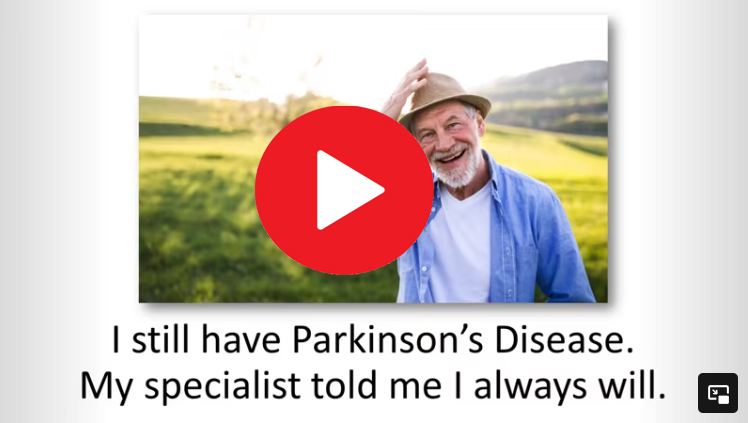
The Parkinson’s Protocol™ By Jodi Knapp Parkinson’s disease cannot be eliminated completely but its symptoms can be reduced, damages can be repaired and its progression can be delayed considerably by using various simple and natural things. In this eBook, a natural program to treat Parkinson’s disease is provided online. it includes 12 easy steps to repair your body and reduce the symptoms of this disease. The creator of this program has divided into four segments to cover a complete plan to treat this disease along with improving your health and life by knowing everything about this health problem. The main focus of this program is on boosting the levels of hormone in your brain by making e a few easy changes in your lifestyle, diet, and thoughts

I’m Mr.Hotsia, sharing 30 years of travel experiences with readers worldwide. This review is based on my personal journey and what I’ve learned along the way. Learn more |