
The Parkinson’s Protocol™ By Jodi Knapp Parkinson’s disease cannot be eliminated completely but its symptoms can be reduced, damages can be repaired and its progression can be delayed considerably by using various simple and natural things. In this eBook, a natural program to treat Parkinson’s disease is provided online. it includes 12 easy steps to repair your body and reduce the symptoms of this disease. The creator of this program has divided into four segments to cover a complete plan to treat this disease along with improving your health and life by knowing everything about this health problem. The main focus of this program is on boosting the levels of hormone in your brain by making e a few easy changes in your lifestyle, diet, and thoughts
How does Parkinson’s disease affect work performance and productivity in Australia?
Parkinson’s disease (PD) can significantly impact work performance and productivity in Australia due to its motor and non-motor symptoms. Here’s a detailed overview:
How Parkinson’s Disease Affects Work in Australia
1. Motor Symptoms Impacting Work
Tremors, stiffness, and slow movements can make physical tasks, typing, writing, or operating machinery difficult.
Reduced dexterity and coordination affect precision and speed.
Fatigue and postural instability increase risk of accidents or injuries at work.
2. Non-Motor Symptoms Affecting Productivity
Cognitive challenges such as difficulty concentrating, memory problems, and slowed thinking can reduce efficiency.
Mood disorders (depression, anxiety) impact motivation and interpersonal interactions.
Sleep disturbances can cause daytime sleepiness and reduced alertness.
Pain and autonomic symptoms (e.g., bladder urgency) may interrupt work.
3. Psychosocial Factors
Anxiety about disease progression and stigma can reduce confidence and job satisfaction.
Need for frequent medical appointments or symptom management breaks.
Workplace Challenges for Australians with Parkinson’s
Difficulty maintaining full-time work or meeting deadlines.
Challenges with physically demanding or high-precision jobs.
Increased absenteeism or need for flexible hours.
Risk of early retirement or job loss without adequate support.
Australian Support and Legal Protections
Disability Discrimination Act 1992 (Cth) protects employees with PD from unfair treatment.
Workplace adjustments (reasonable accommodations) like modified duties, flexible schedules, ergonomic equipment, or assistive technology are supported.
National Disability Insurance Scheme (NDIS) may assist with work-related supports if eligible.
JobAccess provides advice and funding for workplace modifications.
Resources for Supporting Work Performance
Resource/Service Support Offered
Parkinson’s Australia Information on managing work and PD
JobAccess Workplace modifications, funding, and advice
Australian Parkinson’s Mission Research and advocacy including work-related issues
Employee Assistance Programs (EAP) Counseling and mental health support at work
Summary Table
Aspect Impact on Work Performance Possible Support
Motor symptoms Slower movements, difficulty with tasks Ergonomic tools, flexible work hours
Cognitive symptoms Memory issues, concentration difficulties Task management support, job coaching
Mood and fatigue Reduced motivation, absenteeism Counseling, rest breaks
Legal protections Risk of discrimination Disability legislation, workplace advocacy
In brief: Parkinson’s disease can affect many facets of work, but with the right supports and accommodations, many Australians with PD continue to contribute effectively in their jobs.
Would you like specific advice on workplace accommodations or links to Australian support programs?
Yes, Parkinson’s disease (PD) can lead to disability and often results in early retirement for many Australians due to its progressive nature and impact on physical and cognitive functions. Here’s how PD affects work and disability status in Australia:
Disability Due to Parkinson’s Disease
PD causes motor symptoms (tremors, rigidity, bradykinesia) and non-motor symptoms (cognitive decline, mood disorders) that progressively impair daily functioning.
As symptoms worsen, individuals may struggle with mobility, self-care, and communication, qualifying for disability support.
Disability assessments in Australia consider the severity of symptoms and their impact on the ability to work and perform everyday tasks.
Early Retirement and Employment Impact
Many Australians with PD reduce work hours or retire early due to physical limitations, fatigue, or cognitive changes.
Jobs requiring manual labor or fine motor skills are particularly challenging.
Psychological factors like anxiety or depression also influence decisions about continuing employment.
Support Systems in Australia
People with PD can access disability support pensions, rehabilitation programs, and workplace accommodations under laws like the Disability Discrimination Act.
Australian Government programs aim to assist with financial stability and reintegration into adapted work environments where possible.
Summary
Parkinson’s disease frequently leads to disability and early retirement in Australia due to progressive motor and non-motor impairments. Support services and legal protections exist to help individuals manage these challenges and maintain quality of life.
Would you like guidance on disability benefits application or workplace accommodations for Parkinson’s disease?
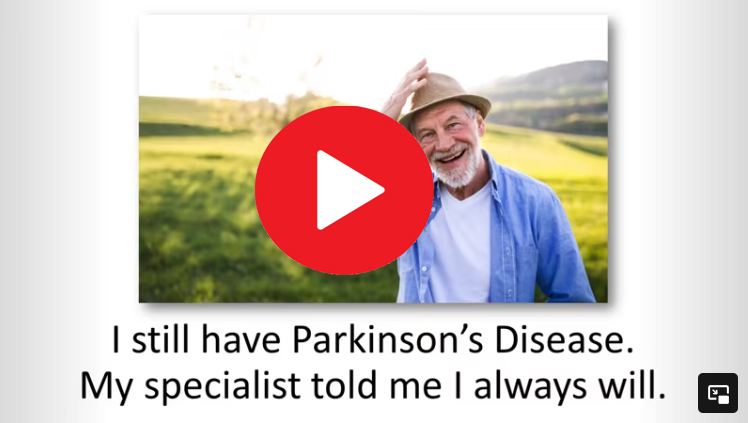
The Parkinson’s Protocol™ By Jodi Knapp Parkinson’s disease cannot be eliminated completely but its symptoms can be reduced, damages can be repaired and its progression can be delayed considerably by using various simple and natural things. In this eBook, a natural program to treat Parkinson’s disease is provided online. it includes 12 easy steps to repair your body and reduce the symptoms of this disease. The creator of this program has divided into four segments to cover a complete plan to treat this disease along with improving your health and life by knowing everything about this health problem. The main focus of this program is on boosting the levels of hormone in your brain by making e a few easy changes in your lifestyle, diet, and thoughts

I’m Mr.Hotsia, sharing 30 years of travel experiences with readers worldwide. This review is based on my personal journey and what I’ve learned along the way. Learn more |