Parkinson’s and Exercise: Questions to Discuss About Safety
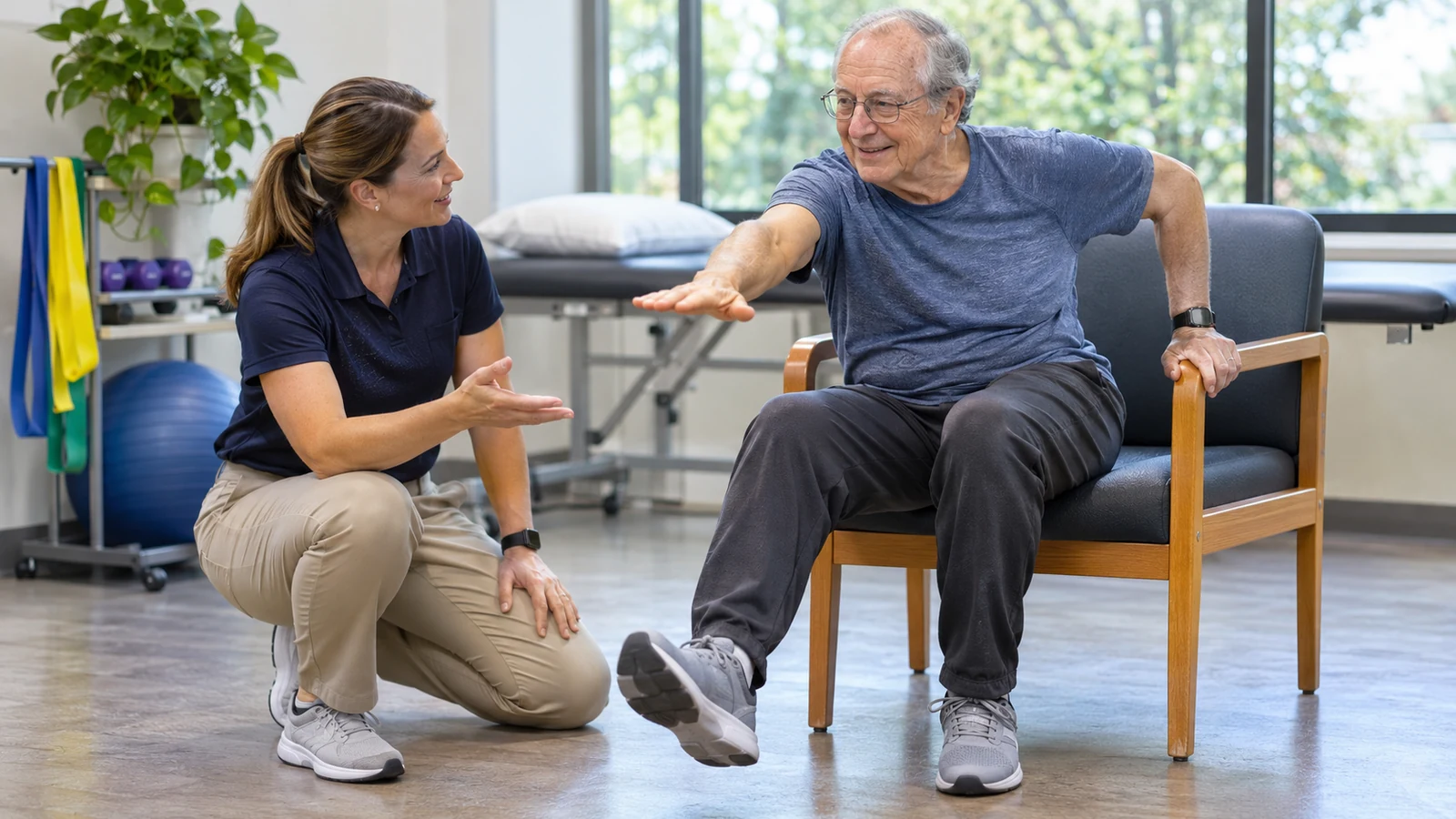
Physical activity is part of many people’s Parkinson’s care, but the safest activities depend on balance, mobility, other conditions, and personal goals. A clinician or physical therapist can help tailor a plan.
Start with goals and current ability
Think about what you want activity to help with, such as walking confidence, strength, flexibility, or stamina. Tell the care team about falls, dizziness, freezing, pain, fatigue, or difficulty getting up from the floor. These details help determine whether supervision or a mobility aid is useful.
Ask about the right support
Questions may include whether a physical therapy assessment is appropriate, what setting is safest, and how to adapt activity on days when symptoms are worse. Some people benefit from a supervised program or a support person nearby. Avoid challenging balance drills alone if you are at risk of falling.
Build gradually and review
Agree on a realistic starting point and signs to pause, then revisit the plan as symptoms or health change. Stop and seek advice for new chest discomfort, fainting, unusual breathlessness, or a fall with injury. Exercise can complement medical care; it does not replace prescribed treatment.
Sources
This article is for general education and is not a diagnosis or personal treatment plan. Talk with a qualified health professional about symptoms, tests, medicines, or changes to your care.