Retinal Photos for Diabetes: What to Expect at Screening
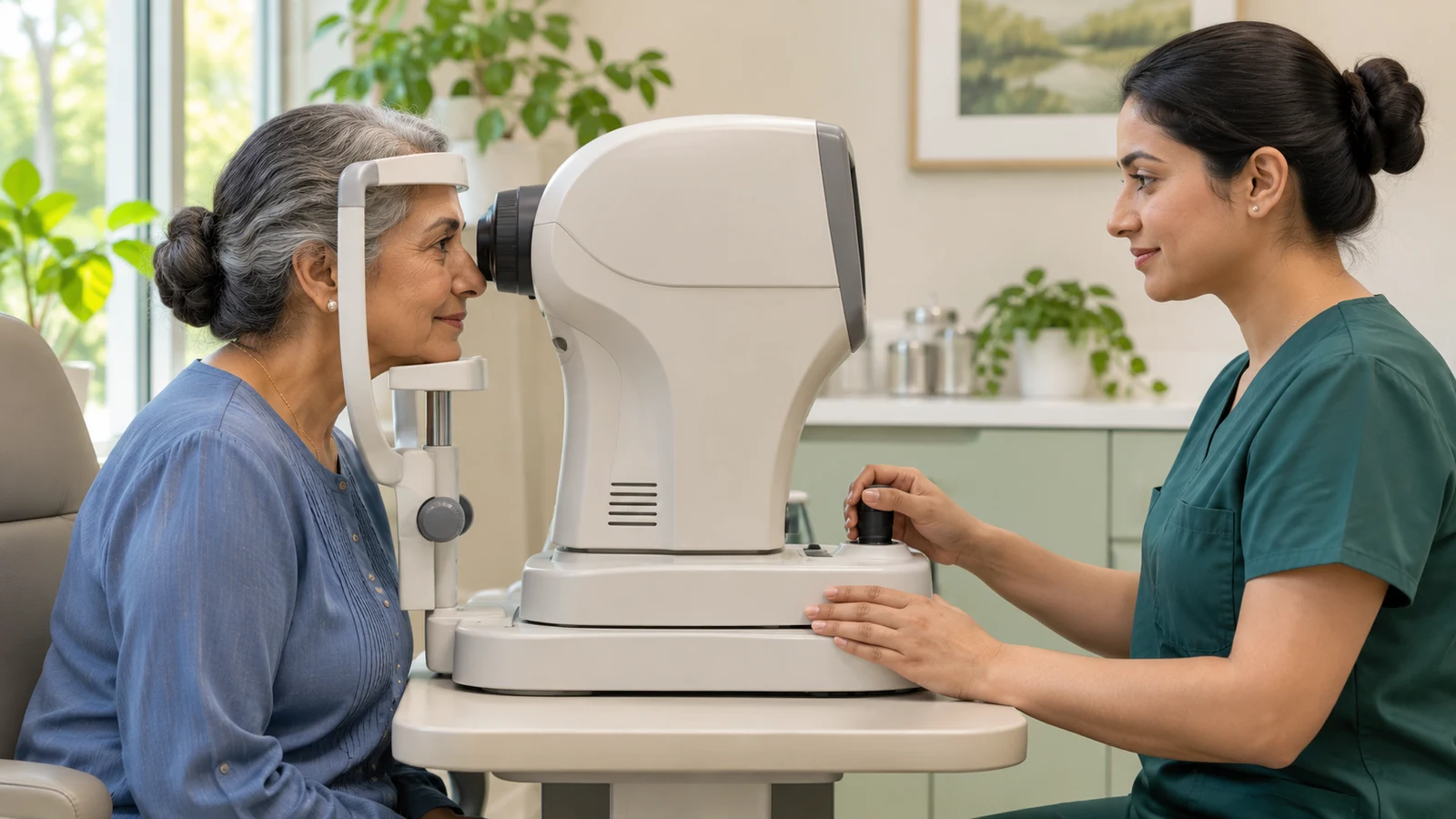
A clinic may offer photographs of the back of your eyes to screen for diabetic retinopathy. Diabetes can damage small blood vessels in the retina, and early changes can occur before you notice a difference in your vision. The photos give the screening team a view of the retina so they can check for signs of damage.
Ask about eye drops before arranging transport
Some screening services use drops to widen the pupils. Call ahead if the appointment instructions are unclear. The drops can blur your vision and make bright light uncomfortable for a few hours. If the clinic plans to use them, arrange a ride and follow its instructions about when you can drive again. Bring the glasses you normally wear and consider taking sunglasses for the trip home.
Know what happens at the camera
The technician will ask you to look toward a target while the camera takes pictures. You may see a brief flash. Ask who will review the images, how you will receive the result, and whom to contact if it does not arrive. If the pictures are too blurry to interpret, the team may need to repeat them or arrange an in-person exam.
Check when a full eye exam is due
Retinal photography screens for diabetes-related changes. A comprehensive eye exam can check for other eye problems as well. Ask your eye care team when you are due for a full exam and what follow-up the screening result calls for. If you notice a change in your vision, tell your care team without waiting for the next screening invitation.
References
This article provides general health information. Your eye care team can advise you on screening and follow-up.