Peripheral Neuropathy and Heating Pads: How to Protect Numb Feet
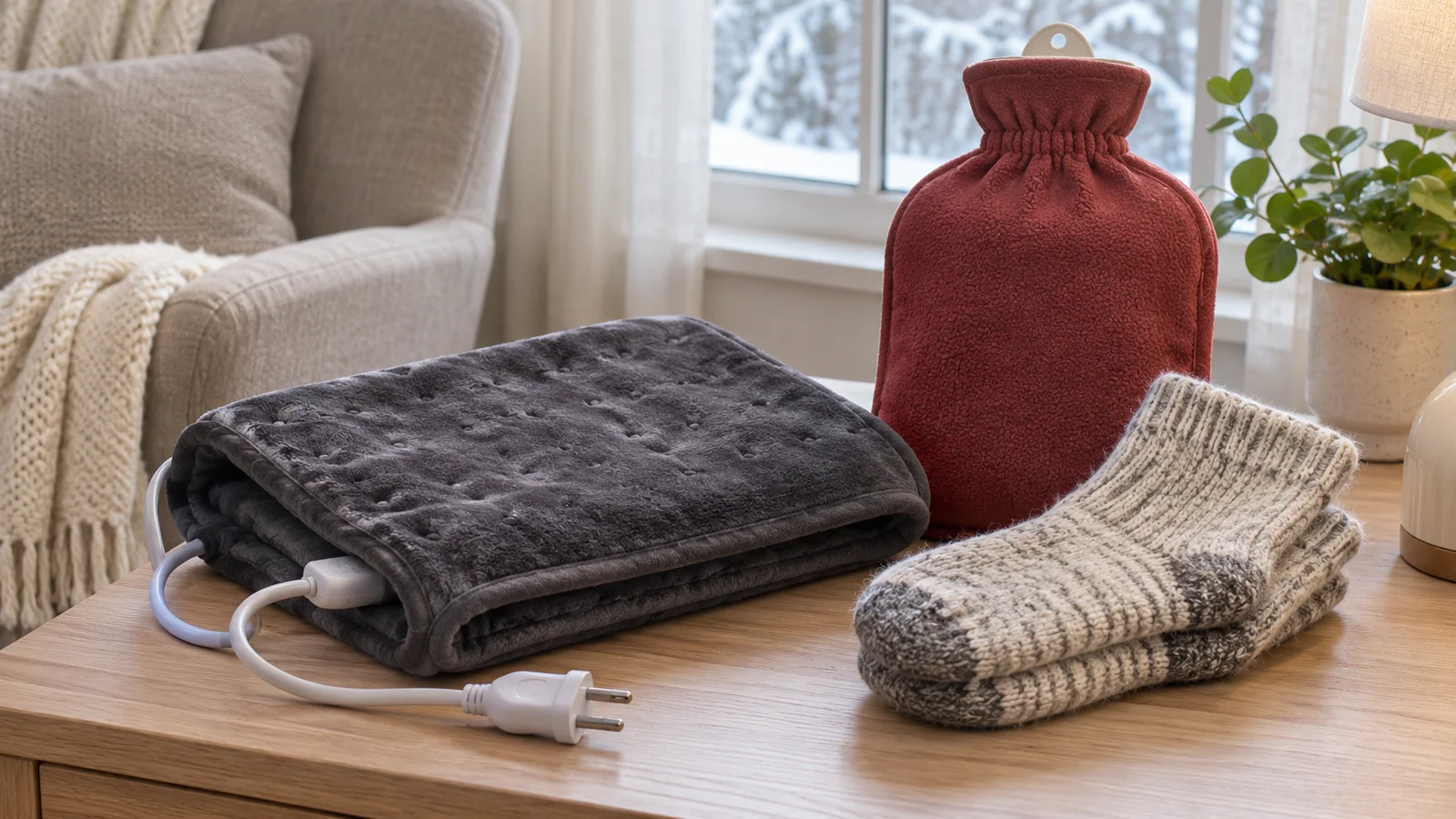
When your feet feel cold or uncomfortable, a heating pad or hot water bottle may seem like an easy way to warm up. Peripheral neuropathy can reduce the ability to feel heat, pain, or changes in temperature. That means skin can be injured while the heat still feels mild, or while you feel nothing at all. If you have reduced feeling in your feet, it helps to plan how you will stay warm without putting a heat source directly against them.
Jodi Knapp’s site includes a product overview for Neuropathy No More for readers browsing its peripheral neuropathy resources. The precautions below draw on clinical information about sensory neuropathy, foot protection, and burn first aid.
Why a comfortable temperature can be misleading
Sensory nerves carry information about touch, pain, and temperature. Damage to these nerves can change how that information reaches the brain. For some people, an area can feel numb at the same time that it tingles or burns. The presence of an uncomfortable sensation tells you little about how well you can judge the temperature of an object against the skin. A foot that feels cold can also be difficult to assess by sensation alone.
Heat injury depends in part on how hot a surface is and how long it stays against the skin. A heating pad tucked under the feet can remain in the same position while you read, watch television, or doze. The skin may continue to warm even if you feel no signal to move away. A similar problem can occur with a hot water bottle at the end of the bed, where it is easy to forget it is there.
The National Institute of Diabetes and Digestive and Kidney Diseases advises people with diabetes to keep heating pads and hot water bottles off their feet. The reason matters for anyone with reduced temperature sensation. Ask your care team how the precaution applies if you have numbness due to another cause, or if you have been told to use heat for a separate condition.
Find a way to stay warm that does not depend on direct heat
Ordinary layers can help retain warmth. Consider clean, dry socks that fit comfortably, a blanket over your legs, or a warmer room. The NIDDK suggests wearing socks in bed if your feet get cold. Make sure the socks do not bunch inside shoes or leave indentations from a tight band. If you use compression garments as part of your care, ask your clinician before changing what you wear.
Look beyond the device you deliberately turn on. A space heater next to a desk, an electric foot warmer under a chair, or feet resting near a radiator can expose skin to prolonged heat. Think about where your feet end up while you are distracted or asleep. Moving the chair or adding a layer can make the safer choice easier without having to remember to shift your feet repeatedly.
If someone else helps you get comfortable, let them know why an old routine may need to change. A person who is used to placing a bottle under the bedcovers might set out a blanket and socks instead. If several people assist you, agree on where to keep those items so everyone can use the same plan. This can be useful while traveling, when the people helping you may be unfamiliar with what your feet can feel.
The same idea applies away from home. Before a long ride, check whether a heater vent is blowing directly at your feet. When you borrow a blanket or stay in a guest room, ask whether anything in the bed has a heating element. In warm weather, pavement and sand can become hot enough to injure a foot that cannot sense the surface. Footwear suited to the setting protects better than judging the ground by how it feels through a numb sole.
Check bath water before stepping in
Hot water poses a similar problem. Test bath water before a foot with reduced sensation touches it. NIDDK recommends warm water and suggests using a thermometer to check it, or an elbow when that area has reliable sensation. If you also have reduced feeling in your hands or arms, ask a clinician or caregiver about a way to check water temperature that works for you. Avoid using the numb area as your test.
Think through the steps where water temperature can change. If the tub is already filled, a stream from the hot tap can make the area near the faucet much warmer before it mixes with the rest. If you use a shower, check the water before stepping under it, and tell someone if the controls are hard to reach. Small changes to how you set up washing can make it easier to judge the temperature without relying on the skin you are trying to protect.
Look for skin changes, even if nothing hurts
Daily inspection is a standard part of diabetic foot care. It can help you notice a problem before pain would have alerted you. Look at the tops of the feet, the heels, the soles, and between the toes. If you cannot see the soles well, use a mirror or ask a person you trust to help. Compare both feet in good light and look for a blister, a new patch of redness or discoloration, or a break in the skin.
Remember where your feet rested. A mark on the heel after a long evening with your heels against a warmer is useful information to share with a healthcare professional. Note when you first saw it, what was against the skin, and roughly how long it may have been there. If the mark enlarges, swells, drains fluid, or changes color, report that too. Lack of pain cannot tell you whether an injury is minor.
Any new wound deserves particular attention when you have diabetes, reduced circulation, or a history of foot ulcers. Ask your clinician whom to call about a new blister or mark and what to do if the office is closed. Keep that information somewhere you can find easily. It helps if you notice the problem at night or while away from home.
What to do if you suspect a burn
Move away from the source of heat. NHS first-aid guidance recommends cooling a burn under cool or lukewarm running water for 20 minutes where possible, avoiding ice and greasy creams. Avoid pulling away anything stuck to the injury or opening a blister. A burn on the foot calls for prompt medical assessment, especially when feeling or circulation is reduced. Get urgent help for a large or deep burn, white or charred skin, or an electrical injury.
When contacting a healthcare service, say that you have neuropathy or reduced feeling and mention diabetes or circulation problems if they apply. Describe what you can see, even when you cannot say whether it hurts. If you are unsure how to protect the area until you are seen, ask the service for instructions. A plan based on how the injury looks and what caused it is more useful than waiting for pain to tell you whether to get help.
Bring a specific question to your next visit
If your feet often feel cold, describe when this happens, whether one side feels different, and whether you have noticed new color changes or sores. A clinician can help decide whether the symptom needs assessment and whether changes to footwear or other routines might help. If you were using heat for pain, mention the device and the area where you applied it. This gives your clinician a chance to discuss other options suited to your situation.
It can help to point out the part of your daily routine where you are least sure about safety. For example, you might want to know how to check water temperature independently or how to keep warm during a long period sitting at a desk. Explain what you have available at home. Advice that fits your living space and mobility is easier to follow.
Readers can also review the book details for Neuropathy No More. For day-to-day warmth, have a comfortable layer on hand, keep direct heat away from numb feet, and check the skin regularly so you can act on a visible change even when you cannot feel it.
Sources and further reading
RECOMMENDED READING
A practical guide for readers interested in neuropathyA guide to neuropathy
Neuropathy No More
A digital guide by Jodi Knapp. Review the program overview and contents before deciding whether it is relevant to you.
- Topic: neuropathy
- Author: Jodi Knapp
- Format: digital guide
 Secure checkout through ClickBank
This page contains affiliate links. We may earn a commission if you purchase through them, at no extra cost to you.