A Foot Callus That Keeps Coming Back With Peripheral Neuropathy
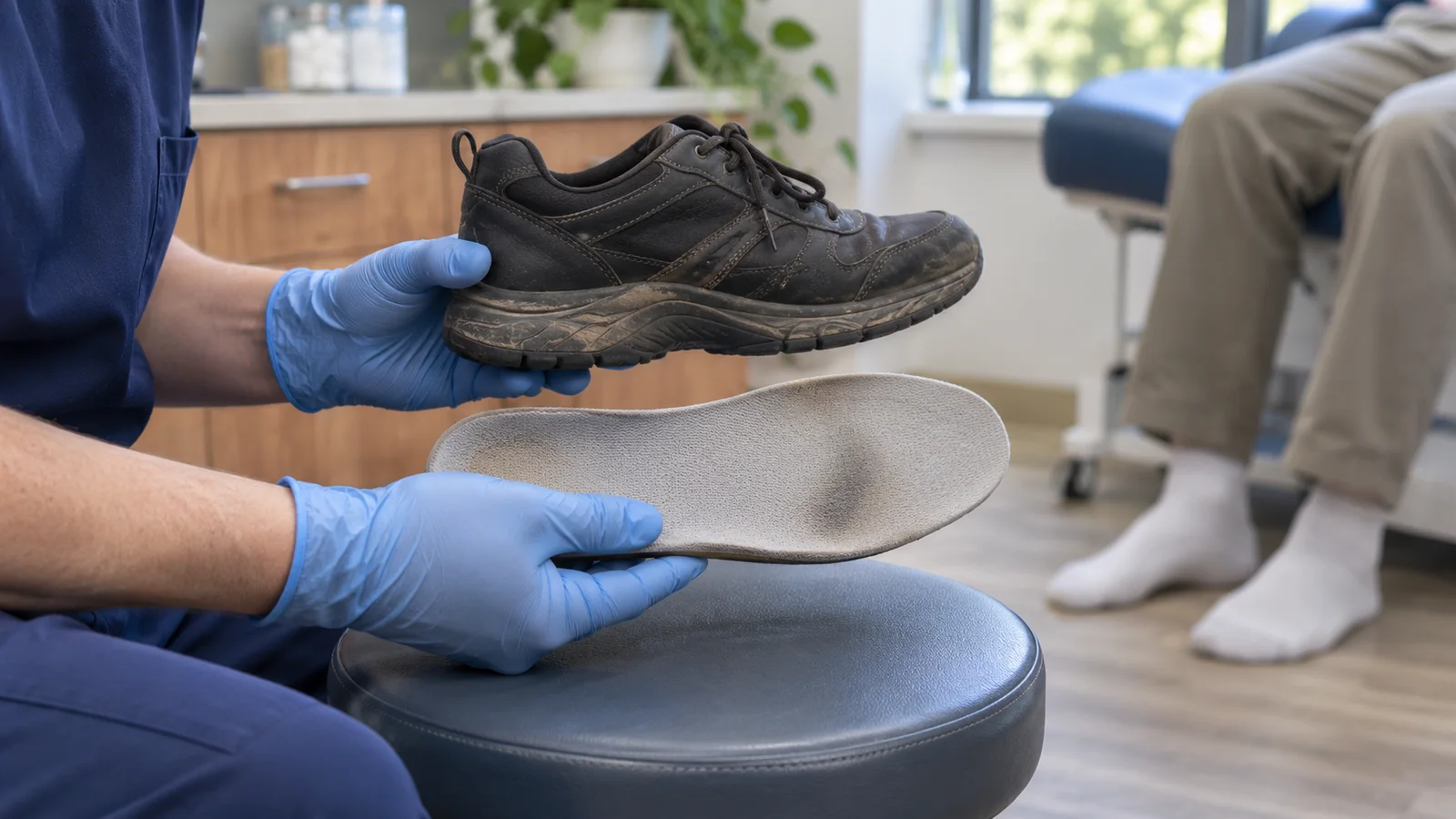
When a hard patch of skin keeps appearing under the same toe or on the ball of the foot, its location can tell a podiatrist where the foot is under repeated pressure. That matters more if peripheral neuropathy has reduced your ability to feel rubbing, a tight shoe or a small injury. A patch can thicken or the skin beneath it can break down with little pain. A visit can help explain why the callus returns and what would make that part of the foot safer.
For a separate educational resource, Jodi Knapp's Neuropathy No More guide page describes the digital guide and its purchase terms. This article focuses on preparing for professional foot care when sensation is reduced.
Why a recurring callus deserves a closer look
A callus is a patch of thickened skin that typically forms where an area experiences repeated pressure or friction. The ball of the foot, heel and edges of the toes are common places to spot one. The same patch can return when a seam rubs there, an insole has worn thin, or the shape of the foot concentrates weight in one spot. People with peripheral neuropathy may have less protective sensation, meaning that the signals that would normally prompt them to move a shoe or stop walking can be weaker.
If you have diabetes, circulation may also be reduced, making an injury harder to heal. A history of ulcers, vascular problems or foot surgery matters even when the current patch looks small. On the day you notice the change, take a look at the surrounding skin and the corresponding area on the other foot. If you have trouble seeing the sole or reaching your foot safely, ask the clinic how to arrange help checking it. A shoe that feels comfortable and a spot that causes no pain can still deserve examination.
What to bring to an appointment
Take the shoes you wear most, plus any pair you suspect rubs the area. That might mean work boots, walking shoes or the slippers you wear at home. Bring the usual socks and any removable insoles or prescribed inserts. Even if the shoes look fine from above, the inside may show a ridge, damaged lining, uneven compression or another clue that lines up with the callus. Bring older and newer pairs if the patch appeared after a switch.
Tell the clinician where and when you first saw the patch, whether it has changed, and how soon it returns after professional care. Mention changes in your walking, your work, your activity or the amount of time you spend standing. A dated photo in good light can be useful if an area has changed by the time of the visit. A short description such as “it reappeared under the second toe after I started wearing the new boots” helps the clinician narrow down what to examine.
Also mention whether you have a history of a wound on either foot, have been told your circulation is reduced, or use a brace or walking aid. Bring a medication list if foot care may be done that day. If another clinic fitted your current shoes or inserts, share where and when they were supplied. That can help the team arrange a review with the person who fitted them.
What the clinician may check
The visit generally starts by looking at both feet, including the skin around and between the toes. The clinician may check circulation, sensation, toe shape and the way your weight is distributed when standing or walking. They may look for cracks, a blister or other signs that tissue is under stress. If you have diabetes, the American Diabetes Association recommends more frequent assessment for people who have lost protective sensation or have other significant foot risks. Ask how often your own feet should be checked and who will do it.
Depending on the findings, a trained clinician may thin excess callus and check the skin underneath. Ask what they found, whether the skin is intact, and whether they saw any sign of a wound. If the area needs a different level of care, ask who will handle the next appointment and how soon it should happen. Follow-up can be particularly useful when a patch returns quickly, because it gives the clinician a chance to compare the skin before and after any changes to your shoes or inserts.
Address the pressure along with the thickened skin
Removing the buildup can be one part of care. If pressure continues at the same point, the patch may come back. The clinician may suggest reviewing shoe depth, width, toe room or the surface inside the shoe. For people with diabetes and a higher risk of ulcers, formal foot-care guidance includes considering footwear or insoles that reduce pressure. One person's insert can move pressure to a different spot in someone else's shoe, so ask how any recommended change will be fitted and checked.
Before leaving a fitting, find out which socks to wear, how the team wants you to introduce the footwear, and what to check on your skin afterward. A new mark, crease or area of rubbing is worth reporting, even if you cannot feel it. If the new shoes are difficult to use for work or around the house, explain which part of your routine creates the problem. A plan works best when it accounts for the shoes you can realistically wear and gives you a way to ask for adjustments.
Check the skin between visits
If you have reduced feeling, use sight to check the area and the surrounding skin, especially after a change in footwear or activity. If you have diabetes, ask your team about a daily foot check. Good lighting and a mirror can help you see the sole. Some people need help from someone they trust. Tell the clinic about any change in color, a new split in the skin, or fluid on the sock. Give the date and describe whether the area is warmer or more swollen than the other foot.
Leave callus removal to a qualified foot-care professional if you have reduced sensation or have been told you are at risk of foot ulcers. Cutting or shaving the skin yourself can cause an injury you may not feel. Medicated corn plasters and liquid callus removers can damage nearby skin. If you are unsure whether a hard patch is a callus, a corn or something else, let the clinician identify it before trying a product. Ask for a written explanation of which skin care steps you can do safely at home.
When you check the shoes, take the insert out if it is designed to be removable. Look for small objects, a folded edge, or a worn patch that has appeared since the last visit. If one foot changes shape or one shoe wears differently, take both shoes to the fitting. The comparison can help explain why only one foot has a callus. If you have several pairs in rotation, make a note of which ones you wore when you first spotted a change. Keep the note simple enough to use regularly.
Know when to get help sooner
A new blister, open sore, bleeding, drainage or unexplained color change on a foot with reduced sensation needs prompt medical advice. With diabetes, a foot that has become warm and swollen with a new change in color needs urgent assessment even when there is no obvious wound or pain. An infection or a problem involving the bones and joints can present this way. If there is rapidly spreading discoloration or swelling, a wound with fever, or you feel very unwell, seek emergency care. Explain that you have reduced feeling and describe what changed rather than relying on a pain score.
When you have a routine visit, ask three questions before leaving. Is the skin intact under the callus? What appears to be putting pressure there? Who should I contact if it changes before the next check? Keep the clinic's number with your foot-care instructions. If you want to read about Jodi Knapp's separate digital wellness product, the Neuropathy No More listing explains its contents and format.
Sources and further reading
- National Institute of Diabetes and Digestive and Kidney Diseases, Diabetes and Foot Problems
- American Diabetes Association, Retinopathy, Neuropathy, and Foot Care: Standards of Care in Diabetes 2026
- International Working Group on the Diabetic Foot, Guideline on the Prevention of Foot Ulcers
- NHS, Corns and Calluses
- Hertfordshire and West Essex NHS, Foot Health for Diabetic Patients
RECOMMENDED READING
A practical guide for readers interested in neuropathyA guide to neuropathy
Neuropathy No More
A digital guide by Jodi Knapp. Review the program overview and contents before deciding whether it is relevant to you.
- Topic: neuropathy
- Author: Jodi Knapp
- Format: digital guide
 Secure checkout through ClickBank
This page contains affiliate links. We may earn a commission if you purchase through them, at no extra cost to you.