Peripheral Neuropathy and Driving: What a Pedal-Control Assessment Can Check
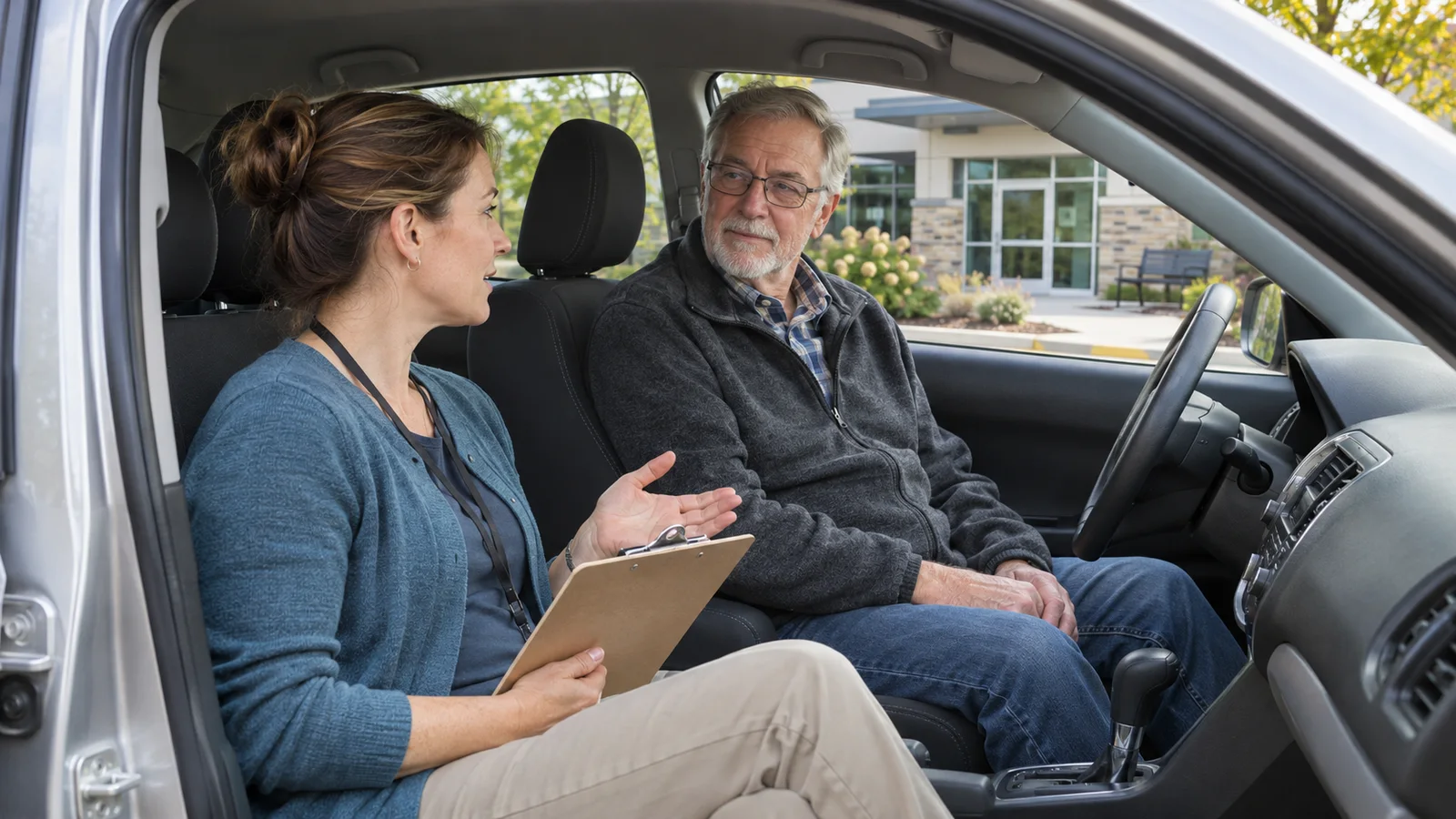
Most drivers move from the accelerator to the brake without thinking about where their foot is. With peripheral neuropathy, pressure through the sole can feel faint, and it may be harder to tell how far the ankle has moved. You might notice that you look down to place your foot, press more firmly than intended, or feel unsure about the pedals after a long trip. These experiences are worth describing to a healthcare professional. A driving assessment can show how changes in sensation or strength play out in a vehicle and help you plan the safest next step.
For separate background reading on nerve discomfort and daily routines, see the contents of Jodi Knapp’s Neuropathy No More. A clinician and a driver rehabilitation specialist can address questions about driving safety.
What numb feet can change at the pedals
Pressing a pedal uses several kinds of information at once. Pressure through the shoe helps you feel contact. Nerves send information about the position and movement of your ankle, and muscles help you move your foot and apply steady force. When peripheral neuropathy affects these functions, a person may have trouble judging pedal pressure, moving the foot quickly between pedals, or keeping the foot in a consistent position. Some people also have weakness or pain that makes a movement harder to repeat. Two people with a similar diagnosis can have very different experiences in the driver’s seat.
A small study in the journal Diabetic Medicine compared drivers with diabetic peripheral neuropathy, drivers with diabetes without neuropathy, and drivers without either condition. The group with neuropathy used the accelerator differently in a driving simulator and had poorer measures of ankle position sense and muscle function. That study helps explain why someone who walks independently might still describe difficulty judging a pedal. The study assessed a small group in a simulator. Individual driving ability needs to be assessed in the context of the person and the vehicle.
If you are having trouble feeling where the pedals are, moving your foot reliably, or stopping predictably, pause driving and contact your care team. Arrange another ride to the appointment if needed. A familiar route or a quiet car park cannot establish how you will respond when you need to brake unexpectedly. Tell the clinic when you book if symptoms are new or worsening, or if they led to a near miss. The team can advise how promptly you need a medical assessment.
What to bring to the first conversation
A useful account describes what happened just before you felt uncertain. For example, “I had been in the car for forty minutes when it became harder to tell how hard I was pressing” gives the clinician more information than “my feet go numb.” Note which foot is affected, when the problem began, how long it lasts, and whether it happens away from the car. Include trips that felt uneventful and any time you had to look down to check your foot position. Use examples you already remember. Any notes belong after a trip, when the vehicle is parked.
Mention changes in balance or walking, a foot brace you use, and recent changes in medicines, especially if you have noticed sleepiness or slower reactions. If you have diabetes, briefly describe any other driving concerns, such as low blood sugar episodes or changes in vision. The clinician can assess those separately. Tell them what type of vehicle you drive, what sorts of trips you need to make, and whether driving is part of your job. Vehicle layout and the requirements for work driving can affect the practical next steps.
A medical visit may include checks of sensation, muscle strength and reflexes, and a review of possible causes or recent changes. Those findings can help the clinician understand the neuropathy. A professional driving evaluation addresses a related question about how you manage the tasks required to operate a vehicle. Ask whether your clinic can refer you to a driver rehabilitation service or an occupational therapist with specialist driver assessment training.
What a professional driving evaluation may include
Many comprehensive evaluations start with an office or clinic assessment. Depending on the referral, the specialist may check how well you sense foot position, how freely you can move your ankle, and how consistently you can move from one pedal to another. They may also assess reaction time, vision, and decision-making because these abilities work together when you need to respond to traffic. Ask the service what to bring. Your usual footwear, prescribed brace, glasses, or a list of medicines may help the specialist understand how you normally drive.
Where appropriate, the assessment can include time behind the wheel under supervision. A service may use a vehicle with an instructor’s brake, and some services use a simulator or an assessment away from traffic as part of the process. Ask before the visit whether you need a referral, a current licence, or clearance for an on-road component. Tell the service if symptoms vary with fatigue or time of day. That detail can help them interpret a short assessment in relation to the trips you need to make.
The report may describe what went well, which movements were difficult, and whether further medical review, training, or equipment could help. Ask for the recommendation in writing, including what to do while waiting for any follow-up. If you observed a problem the assessment did not reproduce, describe it to the specialist. One drive gives them a sample of your performance. Your history can give that sample context.
How adaptations and licensing fit into the decision
Some drivers are assessed for equipment such as professionally fitted hand controls. Suitability depends on the overall evaluation, the vehicle, and whether the driver can operate the equipment safely. An adaptation changes the movements a driver relies on, so fitting and supervised training matter. Speak with a driver rehabilitation specialist before buying equipment, making changes to the pedals, or switching which foot you use. If you need training or further evaluation, ask who coordinates it and when you can expect an updated recommendation.
Reporting requirements depend on your licence, location, and sometimes whether you drive commercially. In Great Britain, for example, the Driver and Vehicle Licensing Agency says drivers with peripheral neuropathy must notify it. For the rules that apply to you, check the licensing authority where your licence was issued and ask your clinical team how its advice fits with those rules. Where notification or a restriction applies, allow time to arrange the paperwork before relying on driving for work or family plans.
If you share a car, drive a different vehicle for work, or expect to replace your car soon, mention that before discussing modifications. Ask whether the recommendation applies only to the vehicle used in the evaluation and how other drivers would use a shared vehicle after an adaptation. If your symptoms change, ask who can reassess you and whether the equipment or original recommendation needs review. When an evaluation recommends a driving pause, recording who you should contact next and what information they need can help you turn that recommendation into a practical plan.
Plan the trips that matter while you get answers
Driving uncertainty can affect ordinary routines long before there is a formal decision. Make a list of the trips you need to keep making, such as work, grocery shopping, medical appointments, or caring for a family member. Consider who can help with each trip and which errands can be combined. A rehabilitation or mobility service may be able to point you to accessible transport, travel training, or local ride programmes. Having a way to get to the evaluation can make it easier to follow advice to take a break from driving.
Start the conversation with a concrete example of what changed at the pedals, and bring the details of your usual trips and any equipment you use. Ask who will assess your symptoms, who can evaluate driving, and how to arrange transport in the meantime. For background reading about the site’s educational guide, see what Neuropathy No More covers. Use the recommendations from your care team, driving specialist and local licensing authority for decisions about whether or how to drive.
Sources and further reading
- National Institute of Diabetes and Digestive and Kidney Diseases, Peripheral Neuropathy
- Perazzolo and colleagues, Accelerator Pedal Control in a Driving Simulator in People with Diabetic Peripheral Neuropathy
- Association for Driver Rehabilitation Specialists, Peripheral Neuropathy and Driving
- American Occupational Therapy Association, Driving and Community Mobility Toolkit
- National Highway Traffic Safety Administration, Adapted Vehicles
- Driver and Vehicle Licensing Agency, Peripheral Neuropathy and Driving
RECOMMENDED READING
A practical guide for readers interested in neuropathyA guide to neuropathy
Neuropathy No More
A digital guide by Jodi Knapp. Review the program overview and contents before deciding whether it is relevant to you.
- Topic: neuropathy
- Author: Jodi Knapp
- Format: digital guide
 Secure checkout through ClickBank
This page contains affiliate links. We may earn a commission if you purchase through them, at no extra cost to you.