
The Parkinson’s Protocol™ By Jodi Knapp Parkinson’s disease cannot be eliminated completely but its symptoms can be reduced, damages can be repaired and its progression can be delayed considerably by using various simple and natural things. In this eBook, a natural program to treat Parkinson’s disease is provided online. it includes 12 easy steps to repair your body and reduce the symptoms of this disease. The creator of this program has divided into four segments to cover a complete plan to treat this disease along with improving your health and life by knowing everything about this health problem. The main focus of this program is on boosting the levels of hormone in your brain by making e a few easy changes in your lifestyle, diet, and thoughts
How should patients manage hallucinations, what percentage of Parkinson’s patients experience them, and how do antipsychotic medications compare with non-drug interventions?
🧠 Navigating Perceptions: A Guide to Managing Parkinson’s Hallucinations 🧠
Parkinson’s disease is a neurodegenerative disorder most commonly associated with its characteristic motor symptoms: tremors, rigidity, and slowness of movement. However, the impact of the disease extends far beyond the physical, often weaving a complex tapestry of non-motor symptoms that can be equally, if not more, distressing for both patients and their families. Among the most challenging of these are hallucinations, a form of psychosis where individuals see, hear, or otherwise sense things that are not truly there. These experiences, ranging from fleeting, benign images to more complex and frightening scenarios, represent a significant shift in the disease’s progression and necessitate a compassionate, multi-faceted approach to management. Understanding how to respond to these perceptual disturbances, recognizing their prevalence, and carefully weighing the options between pharmacological and non-pharmacological interventions are crucial steps in preserving the quality of life, maintaining a sense of reality, and ensuring the safety and well-being of those living with this complex condition. The management of Parkinson’s psychosis is not simply about suppressing symptoms, but about creating a supportive and understandable world for the individual, fostering communication, and navigating the altered reality with empathy and skill.
📊 The Prevalence of Altered Realities: A Common Experience 📊
Hallucinations are a surprisingly common feature of Parkinson’s disease, far more so than is often publicly recognized. Their emergence marks a significant milestone in the disease course, often signaling a transition to a more advanced stage. The prevalence of these perceptual disturbances varies across studies, depending on the population surveyed and the methods used for detection, but a consistent picture of a widespread issue emerges. Most epidemiological research and clinical observations converge on the finding that a substantial proportion of individuals with Parkinson’s will experience hallucinations at some point during their illness. The figures often cited in neurological literature suggest that anywhere from twenty to forty percent of all Parkinson’s patients report experiencing some form of hallucination. However, when considering the full spectrum of psychosis, including minor phenomena like illusions (misinterpreting real stimuli) or a sense of presence (feeling that someone is nearby), this number can be significantly higher. Some longitudinal studies that follow patients over many years report that the cumulative incidence can be as high as sixty to seventy-five percent, indicating that the majority of patients will eventually encounter these symptoms as their disease progresses.
The most common type of hallucination experienced is visual. These are often described as vivid, well-formed, and recurrent. Initially, they may be non-threatening, such as seeing small animals, insects, or unfamiliar people in the room. These are often referred to as “benign” hallucinations, and the individual may have full insight, recognizing that what they are seeing is not real. This insight, however, can fade over time. Auditory, olfactory (smell), gustatory (taste), and tactile (touch) hallucinations are far less common but can also occur. The development of hallucinations is multifactorial, stemming from a complex interplay between the underlying disease process itself, which involves profound changes in brain chemistry, particularly dopamine and acetylcholine systems, and the medications used to treat the motor symptoms. Dopaminergic therapies, the cornerstone of Parkinson’s motor treatment, can themselves precipitate or worsen psychosis as a side effect. Other contributing factors include advancing age, longer disease duration, the presence of cognitive impairment or dementia, sleep disorders like REM sleep behavior disorder, and visual impairments such as poor eyesight. Recognizing that hallucinations are a frequent and almost expected complication of the disease is the first and most critical step for patients and caregivers in destigmatizing the experience and seeking appropriate and timely medical guidance.
🧘 A Comparison of Approaches: Medications vs. Non-Drug Interventions 🧘
When hallucinations emerge and become troublesome or distressing, a critical decision must be made regarding the best course of action. The management strategy can be broadly divided into two categories: antipsychotic medications and a diverse range of non-drug interventions. The choice between them, or more often the integration of both, depends on the severity, frequency, and nature of the hallucinations, as well as the degree of distress they cause the patient and their family. The comparison is not merely about which is more effective, but which is safer and more appropriate for the individual, especially given the vulnerability of the Parkinson’s brain.
Non-drug interventions are universally recommended as the first line of defense, particularly for mild to moderate hallucinations where the patient retains some insight. These strategies are centered on patient and caregiver education, environmental modification, and behavioral approaches. The primary goal is to reduce anxiety and prevent the escalation of a hallucinatory experience into a delusional belief system or a state of agitation. This begins with reassuring the patient, acknowledging their experience without validating the hallucination as real. Arguing about the reality of what they are seeing is counterproductive and can increase distress. Instead, gentle reorientation and distraction can be highly effective. Modifying the environment is another key strategy; since hallucinations are often visual and can be triggered by low light or sensory misinterpretation, improving lighting in the home, reducing clutter, and removing potentially confusing stimuli like mirrors or complex patterns can be immensely helpful. Establishing regular routines, especially for sleep, is also critical, as fatigue and sleep disturbances can significantly lower the threshold for psychosis. Caregivers are taught to remain calm, use a soft and reassuring tone of voice, and sometimes a gentle touch can help ground the individual in reality. These non-pharmacological approaches are foundational because they are non-invasive, carry no risk of side effects, and empower families with practical tools to manage the situation compassionately and effectively.
Antipsychotic medications are reserved for situations where hallucinations are persistent, frightening, cause significant distress, or lead to behaviors that pose a risk to the patient or others. The decision to use these medications is a delicate balancing act. Traditional or “typical” antipsychotics, which are strong dopamine blockers, are strictly contraindicated in Parkinson’s disease because they can severely worsen motor symptoms, effectively paralyzing the patient. Therefore, only a select few “atypical” antipsychotics are considered relatively safe. The most commonly used are quetiapine and clozapine, and more recently, pimavanserin was approved specifically for Parkinson’s disease psychosis. These medications work through different mechanisms that have a lower impact on the dopamine pathways critical for motor control. Quetiapine is often used off-label but its efficacy is debated. Clozapine is highly effective but requires rigorous weekly or bi-weekly blood monitoring due to the risk of a serious blood disorder called agranulocytosis, making it a treatment for severe, refractory cases. Pimavanserin represents a significant advancement as it works on serotonin pathways without blocking dopamine, thereby treating psychosis without impairing motor function. However, all antipsychotic medications carry risks, including sedation, confusion, and in older adults, an increased risk of stroke and mortality. Therefore, the guiding principle is “start low, go slow,” using the lowest effective dose for the shortest possible duration. In comparison to non-drug interventions, medications offer a more direct approach to suppressing the biological drivers of psychosis but come with a substantial burden of potential side effects. The ideal approach is not a choice of one over the other, but a synergistic model where non-drug strategies are implemented universally to create a supportive foundation, and medications are added judiciously and cautiously only when the benefits clearly outweigh the significant risks.
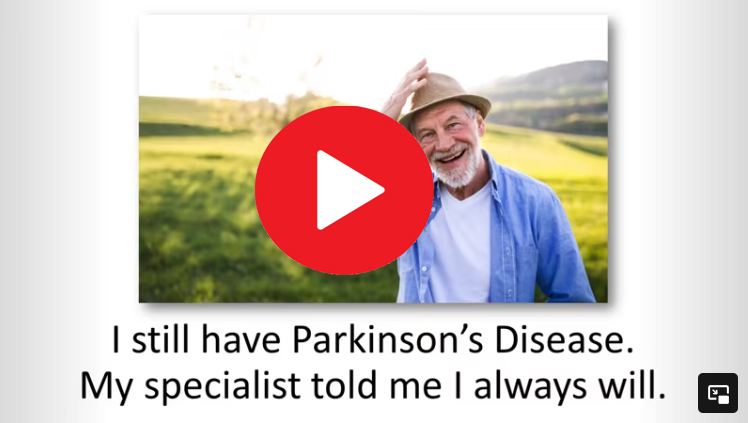
The Parkinson’s Protocol™ By Jodi Knapp Parkinson’s disease cannot be eliminated completely but its symptoms can be reduced, damages can be repaired and its progression can be delayed considerably by using various simple and natural things. In this eBook, a natural program to treat Parkinson’s disease is provided online. it includes 12 easy steps to repair your body and reduce the symptoms of this disease. The creator of this program has divided into four segments to cover a complete plan to treat this disease along with improving your health and life by knowing everything about this health problem. The main focus of this program is on boosting the levels of hormone in your brain by making e a few easy changes in your lifestyle, diet, and thoughts

I’m Mr.Hotsia, sharing 30 years of travel experiences with readers worldwide. This review is based on my personal journey and what I’ve learned along the way. Learn more |