
The Parkinson’s Protocol™ By Jodi Knapp Parkinson’s disease cannot be eliminated completely but its symptoms can be reduced, damages can be repaired and its progression can be delayed considerably by using various simple and natural things. In this eBook, a natural program to treat Parkinson’s disease is provided online. it includes 12 easy steps to repair your body and reduce the symptoms of this disease. The creator of this program has divided into four segments to cover a complete plan to treat this disease along with improving your health and life by knowing everything about this health problem. The main focus of this program is on boosting the levels of hormone in your brain by making e a few easy changes in your lifestyle, diet, and thoughts
How does Parkinson’s prevalence differ in populations with vitamin D deficiency, what percentage are affected, and how do outcomes compare with those with adequate vitamin D?
The Intriguing Link Between Vitamin D and Parkinson’s Disease 🌞
Parkinson’s disease (PD) is a progressive neurodegenerative disorder characterized by the loss of dopamine-producing neurons in the brain. Its symptoms, including tremors, rigidity, and bradykinesia (slowness of movement), can be debilitating. While the exact causes of PD are not fully understood, research has pointed to a combination of genetic and environmental factors. In recent years, a growing body of evidence has highlighted a significant and consistent link between low levels of vitamin D and the prevalence and severity of Parkinson’s disease. This connection is of great interest because vitamin D deficiency is a modifiable risk factor, and addressing it could potentially offer a new avenue for both prevention and management.
Prevalence of Vitamin D Deficiency in Parkinson’s Patients
Studies have consistently shown that the prevalence of vitamin D deficiency is significantly higher in individuals with Parkinson’s disease compared to healthy controls. This finding is so consistent that it is considered a hallmark of the disease.
- Percentage Affected: While exact percentages can vary depending on the study’s definition of deficiency, a number of studies have found that a significant proportion, with some reporting that as many as 50% to 80% of Parkinson’s patients, have either insufficient or deficient levels of vitamin D. This is a much higher rate than in the general population. For example, one study found that 55% of PD patients had insufficient vitamin D compared to 36% of healthy controls. Another reported that 17.6% of PD patients had a deficiency, while only 9.3% of controls did.
There is also a hypothesis that the vitamin D deficiency is a consequence of the disease itself, as a patient’s limited mobility and fear of falling may lead them to spend less time outdoors, thereby reducing their sun exposure, which is the body’s primary way of producing vitamin D.
Outcomes: Adequate Vitamin D vs. Deficient ⚖️
The outcomes for patients with Parkinson’s disease are demonstrably different based on their vitamin D status. The relationship is two-fold: low vitamin D levels are associated with a higher risk of developing the disease, and they are also linked to worse outcomes once a person has been diagnosed.
- Risk of Developing PD: A number of large-scale epidemiological studies have found a strong inverse association between serum vitamin D levels and the risk of developing Parkinson’s disease. This means that individuals with higher vitamin D levels in mid-life have a significantly lower risk of developing the disease later in life. One study found that individuals with levels in the highest quartile had a 65% lower risk of developing PD than those in the lowest quartile.
- Disease Progression and Severity: For patients who already have Parkinson’s, having adequate vitamin D levels is associated with a slower disease progression and less severe motor and non-motor symptoms. Studies have found that lower vitamin D levels are correlated with:
- Increased motor symptom severity: This includes worse tremors, rigidity, and gait impairment.
- Faster disease progression: Patients with lower vitamin D levels tend to have a more rapid worsening of their symptoms over time.
- Worse cognitive function: Vitamin D has a neuroprotective effect, and low levels have been linked to an increased risk of cognitive impairment and dementia in PD patients.
- Increased risk of falls: Vitamin D is crucial for muscle and bone health. Low levels are associated with muscle weakness and a higher risk of falls and fractures, which are major causes of disability in PD.
- Impact of Supplementation: A few interventional trials have shown promising results with vitamin D supplementation. A landmark randomized, double-blind, placebo-controlled trial found that PD patients receiving vitamin D supplementation had a significantly milder deterioration of their motor symptoms over a one-year period compared to the placebo group, who experienced a worsening of their symptoms.
Conclusion
The evidence is clear and compelling: there is a strong link between vitamin D deficiency and Parkinson’s disease. The prevalence of this deficiency is high among PD patients, and those with lower levels face a higher risk of both developing the disease and experiencing a more rapid and severe progression. The outcomes for patients with adequate vitamin D are significantly better, with slower disease progression and a reduction in both motor and non-motor symptoms.
While more research is needed to fully understand the neuroprotective mechanisms of vitamin D and to determine optimal dosing for all PD patients, the current evidence strongly suggests that maintaining adequate vitamin D levels is a crucial component of both preventive and therapeutic strategies for Parkinson’s disease. Given the low risk and high potential benefit, many doctors recommend that PD patients get their vitamin D levels checked and consider supplementation to ensure they are not deficient.
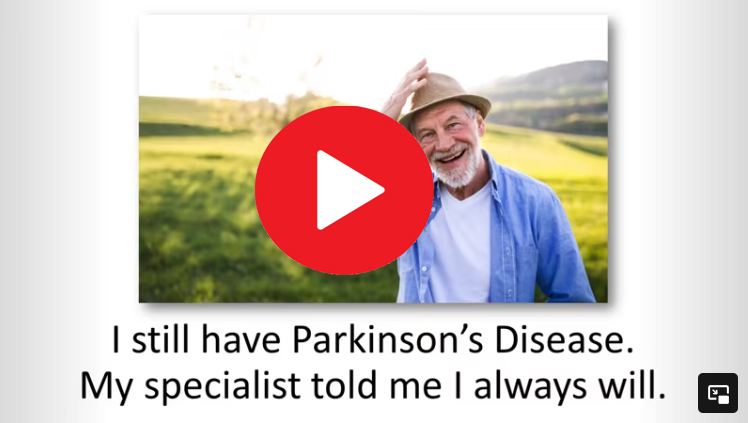
The Parkinson’s Protocol™ By Jodi Knapp Parkinson’s disease cannot be eliminated completely but its symptoms can be reduced, damages can be repaired and its progression can be delayed considerably by using various simple and natural things. In this eBook, a natural program to treat Parkinson’s disease is provided online. it includes 12 easy steps to repair your body and reduce the symptoms of this disease. The creator of this program has divided into four segments to cover a complete plan to treat this disease along with improving your health and life by knowing everything about this health problem. The main focus of this program is on boosting the levels of hormone in your brain by making e a few easy changes in your lifestyle, diet, and thoughts

I’m Mr.Hotsia, sharing 30 years of travel experiences with readers worldwide. This review is based on my personal journey and what I’ve learned along the way. Learn more |