
The Parkinson’s Protocol™ By Jodi Knapp Parkinson’s disease cannot be eliminated completely but its symptoms can be reduced, damages can be repaired and its progression can be delayed considerably by using various simple and natural things. In this eBook, a natural program to treat Parkinson’s disease is provided online. it includes 12 easy steps to repair your body and reduce the symptoms of this disease. The creator of this program has divided into four segments to cover a complete plan to treat this disease along with improving your health and life by knowing everything about this health problem. The main focus of this program is on boosting the levels of hormone in your brain by making e a few easy changes in your lifestyle, diet, and thoughts
How does Parkinson’s prevalence differ between urban and rural elderly, what percentage of each group is affected, and how do environmental exposures differ?
A growing body of evidence suggests that Parkinson’s disease prevalence is often higher in rural areas compared to urban ones, a difference largely attributed to distinct environmental exposures. While the exact percentages vary significantly by region and study, the pattern of increased risk in rural settings is a consistent theme in neurological research. The key difference in environmental exposures lies in the widespread use of pesticides and herbicides in rural agriculture and the consumption of well water, which can be contaminated with these neurotoxic chemicals. In contrast, urban areas are characterized by higher levels of air pollution and exposure to industrial chemicals, which are also being investigated as potential risk factors.
🗺️ The Urban-Rural Divide in Parkinson’s Prevalence
Parkinson’s disease (PD) is a progressive neurodegenerative disorder resulting from the loss of dopamine-producing neurons in the brain. While age and genetics are primary risk factors, the environment’s role is increasingly recognized as a crucial piece of the puzzle. Numerous epidemiological studies across the globe have observed a disparity in the prevalence of PD between urban and rural elderly populations. Although it might seem intuitive to associate industrial, polluted city environments with higher disease rates, the opposite often appears to be true for Parkinson’s. Many large-scale studies have identified higher clusters and incidence rates of PD in rural, agricultural regions.
This urban-rural difference is not a universal rule, and some studies have found no significant difference or even a higher prevalence in urban areas, suggesting a complex interplay of factors. However, the recurring signal of heightened risk in rural settings has directed a significant amount of research toward the unique environmental factors that characterize these communities.
The specific percentage of elderly individuals affected in each group is difficult to pinpoint with a single global figure, as prevalence rates are highly dependent on the population studied, diagnostic criteria, and geographic location. Generally, the prevalence of Parkinson’s disease in people over the age of 60 is estimated to be around 1% to 2%. In regions with a strong urban-rural divide in PD rates, studies might report a prevalence in the rural elderly that is 1.5 to 2 times higher than in their urban counterparts. For instance, if an urban area has a prevalence of 1% in its over-65 population, a corresponding rural area might show a prevalence of 1.5% or higher. These figures underscore a tangible difference in disease burden that cannot be explained by genetics alone.
🌾 The Rural Risk Profile: Pesticides and Well Water
The most extensively studied environmental risk factor linking rural life to Parkinson’s disease is exposure to pesticides and herbicides. Decades of research have built a compelling case against these agricultural chemicals. Certain pesticides, such as paraquat and rotenone, have been shown to be directly neurotoxic. In laboratory studies, these chemicals can induce a Parkinson’s-like pathology in animals by interfering with mitochondrial function and promoting oxidative stress, the very cellular mechanisms known to cause the death of dopamine neurons in PD.
Elderly individuals in rural areas can be exposed through various routes. Occupational exposure is a primary concern for farmers and agricultural workers who directly mix and apply these chemicals over many years. However, residential exposure is also a significant factor. People living near farms can be exposed through pesticide drift in the air or through contaminated soil.
Another critical component of the rural risk profile is the consumption of private well water. Unlike municipal water systems, private wells are often unregulated and may be susceptible to contamination from agricultural runoff containing pesticides, herbicides, and other chemicals. Studies have found that individuals who consume well water for a prolonged period, particularly in agricultural areas, have a significantly increased risk of developing Parkinson’s disease. The water can act as a chronic, low-dose delivery system for neurotoxicants, contributing to the slow, progressive nature of neurodegeneration.
🏭 The Urban Exposure Landscape: Air Pollution and Industrial Chemicals
While rural areas are dominated by agricultural exposures, urban environments have their own distinct set of potential neurotoxicants. The most prominent is air pollution, specifically fine particulate matter (PM2.5) from traffic exhaust and industrial emissions. Emerging research suggests a strong link between long-term exposure to high levels of air pollution and an increased risk of Parkinson’s disease.
The proposed mechanism is that these tiny pollutant particles can enter the body through the respiratory system and even directly to the brain via the olfactory nerve. Once in the brain, they can trigger neuroinflammation, a chronic activation of the brain’s immune cells. This persistent state of inflammation is known to be a key driver of neurodegenerative processes, including the neuron loss seen in Parkinson’s.
Beyond air pollution, urban residents may have higher exposure to certain industrial chemicals and heavy metals. Solvents like trichloroethylene (TCE), once widely used in dry cleaning and as a degreasing agent, have been strongly linked to PD risk. Heavy metals such as manganese and lead, which can be present in industrial settings and older urban infrastructure, are also known neurotoxins that can contribute to Parkinson’s-like symptoms.
In conclusion, the environmental landscape for Parkinson’s disease risk is profoundly different for rural and urban elderly. The rural environment is characterized by a significant risk from direct and indirect exposure to neurotoxic pesticides and contaminated well water, which likely accounts for the higher prevalence observed in many agricultural communities. In contrast, the urban environment presents a different set of challenges, with chronic exposure to air pollution and industrial chemicals emerging as significant risk factors. Understanding these distinct environmental profiles is crucial for public health strategies, regulatory policies, and ultimately, for unraveling the complex causes of Parkinson’s disease.
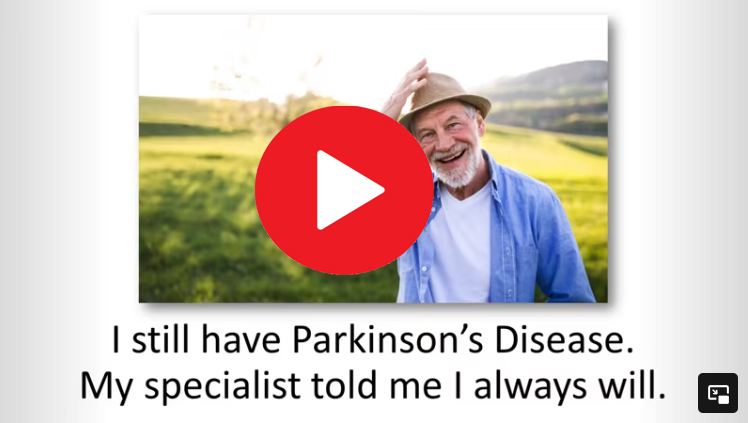
The Parkinson’s Protocol™ By Jodi Knapp Parkinson’s disease cannot be eliminated completely but its symptoms can be reduced, damages can be repaired and its progression can be delayed considerably by using various simple and natural things. In this eBook, a natural program to treat Parkinson’s disease is provided online. it includes 12 easy steps to repair your body and reduce the symptoms of this disease. The creator of this program has divided into four segments to cover a complete plan to treat this disease along with improving your health and life by knowing everything about this health problem. The main focus of this program is on boosting the levels of hormone in your brain by making e a few easy changes in your lifestyle, diet, and thoughts

I’m Mr.Hotsia, sharing 30 years of travel experiences with readers worldwide. This review is based on my personal journey and what I’ve learned along the way. Learn more |