
The Parkinson’s Protocol™ By Jodi Knapp Parkinson’s disease cannot be eliminated completely but its symptoms can be reduced, damages can be repaired and its progression can be delayed considerably by using various simple and natural things. In this eBook, a natural program to treat Parkinson’s disease is provided online. it includes 12 easy steps to repair your body and reduce the symptoms of this disease. The creator of this program has divided into four segments to cover a complete plan to treat this disease along with improving your health and life by knowing everything about this health problem. The main focus of this program is on boosting the levels of hormone in your brain by making e a few easy changes in your lifestyle, diet, and thoughts
What is the role of public health campaigns in managing Parkinson’s disease?
Public health campaigns play a crucial role in managing Parkinson’s disease (PD) by raising awareness, promoting early detection, advocating for research and funding, providing education, and supporting patients and caregivers. Here are some key aspects of how public health campaigns contribute to the management of Parkinson’s disease:
Raising Awareness
Increasing Public Knowledge
- Educational Outreach:
- Public health campaigns disseminate information about PD symptoms, risk factors, and the importance of early diagnosis. This helps the general public understand the disease better and recognize symptoms early.
- Media Campaigns:
- Utilizing various media platforms, including social media, television, radio, and print, campaigns reach a broad audience, spreading awareness about PD and the challenges faced by those living with the condition.
- Parkinson’s Awareness Month:
- April is designated as Parkinson’s Awareness Month, during which numerous activities and events are organized to increase public awareness. These include lighting landmarks in blue, social media campaigns, and community events.
Promoting Early Detection and Diagnosis
Symptom Recognition
- Educational Materials:
- Campaigns provide educational materials that help individuals recognize early symptoms of PD, such as tremors, rigidity, and bradykinesia (slowness of movement).
- Health Screenings:
- Public health initiatives often include free or low-cost health screenings in community centers, health fairs, and clinics to identify individuals who may be at risk for PD.
Advocating for Research and Funding
Supporting Research Initiatives
- Fundraising Campaigns:
- Public health campaigns organize fundraising events such as walks, runs, and charity galas to raise money for PD research. These funds support scientific studies aimed at understanding the disease better and developing new treatments.
- Policy Advocacy:
- Campaigns advocate for increased government funding for PD research. They engage in legislative advocacy to influence policymakers and secure financial support for research initiatives.
Providing Education and Resources
Patient and Caregiver Education
- Workshops and Seminars:
- Public health campaigns organize workshops and seminars that provide comprehensive information about managing PD, including medication management, physical therapy, and lifestyle changes.
- Support Resources:
- Campaigns create and distribute resources such as pamphlets, brochures, and online content that offer guidance on managing PD symptoms and improving quality of life.
- Webinars and Online Courses:
- Offering webinars and online courses allows patients, caregivers, and healthcare professionals to access up-to-date information on PD management from the comfort of their homes.
Supporting Patients and Caregivers
Creating Support Networks
- Support Groups:
- Campaigns facilitate the formation of support groups for patients and caregivers, providing a platform for sharing experiences, offering mutual support, and learning from one another.
- Caregiver Education:
- Special programs designed for caregivers educate them about PD, coping strategies, and available resources to help them manage their caregiving responsibilities effectively.
Promoting Healthy Lifestyles
Encouraging Physical Activity
- Exercise Programs:
- Public health campaigns promote exercise programs specifically designed for PD patients. Activities such as tai chi, yoga, and dance classes can help improve mobility, balance, and overall well-being.
- Community Fitness Events:
- Organizing community fitness events encourages individuals with PD to stay active and engage in physical activities that can help manage their symptoms.
Diet and Nutrition
- Nutritional Guidance:
- Campaigns provide information on the importance of a balanced diet and proper nutrition in managing PD. They offer tips on foods that can support brain health and overall wellness.
- Cooking Classes and Workshops:
- Public health initiatives may include cooking classes and workshops that teach PD patients and their families how to prepare nutritious meals that meet their dietary needs.
Reducing Stigma and Building Community Support
Public Education
- Myth-Busting Campaigns:
- Campaigns aim to dispel myths and misconceptions about PD, reducing stigma and promoting a more accurate understanding of the disease.
- Community Engagement:
- Engaging the community through events, storytelling, and volunteer opportunities helps build a supportive environment for those affected by PD.
Collaboration with Healthcare Providers
Training and Education
- Professional Development:
- Public health campaigns collaborate with healthcare institutions to provide training and continuing education for healthcare providers, ensuring they are equipped with the latest knowledge and best practices for managing PD.
- Interdisciplinary Approach:
- Encouraging an interdisciplinary approach to PD management, campaigns foster collaboration between neurologists, primary care physicians, physical therapists, and other healthcare professionals.
Monitoring and Evaluation
Tracking Progress
- Data Collection:
- Public health campaigns collect data on PD prevalence, patient outcomes, and the effectiveness of interventions. This information helps track progress and identify areas for improvement.
- Evaluating Campaigns:
- Regularly evaluating the impact of public health campaigns ensures that they are meeting their goals and making a positive difference in the lives of those affected by PD.
Public health campaigns are instrumental in managing Parkinson’s disease by raising awareness, promoting early detection, supporting research, providing education, and fostering community support. These efforts contribute to improving the quality of life for individuals with PD and their caregivers, advancing research, and ultimately working towards a cure.
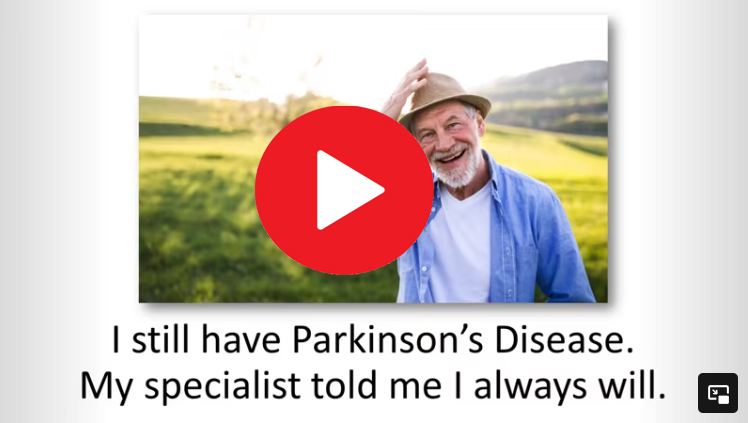
The Parkinson’s Protocol™ By Jodi Knapp Parkinson’s disease cannot be eliminated completely but its symptoms can be reduced, damages can be repaired and its progression can be delayed considerably by using various simple and natural things. In this eBook, a natural program to treat Parkinson’s disease is provided online. it includes 12 easy steps to repair your body and reduce the symptoms of this disease. The creator of this program has divided into four segments to cover a complete plan to treat this disease along with improving your health and life by knowing everything about this health problem. The main focus of this program is on boosting the levels of hormone in your brain by making e a few easy changes in your lifestyle, diet, and thoughts

I’m Mr.Hotsia, sharing 30 years of travel experiences with readers worldwide. This review is based on my personal journey and what I’ve learned along the way. Learn more |