
The Parkinson’s Protocol™ By Jodi Knapp Parkinson’s disease cannot be eliminated completely but its symptoms can be reduced, damages can be repaired and its progression can be delayed considerably by using various simple and natural things. In this eBook, a natural program to treat Parkinson’s disease is provided online. it includes 12 easy steps to repair your body and reduce the symptoms of this disease. The creator of this program has divided into four segments to cover a complete plan to treat this disease along with improving your health and life by knowing everything about this health problem. The main focus of this program is on boosting the levels of hormone in your brain by making e a few easy changes in your lifestyle, diet, and thoughts
How do socioeconomic factors affect Parkinson’s disease in the USA?
Socioeconomic factors play a significant role in the incidence, progression, and management of Parkinson’s disease (PD) in the USA. These factors can influence the availability and quality of healthcare, the ability to manage the disease effectively, and the overall quality of life for individuals with PD. Here’s an in-depth look at how various socioeconomic factors impact Parkinson’s disease:
Access to Healthcare
Insurance Coverage
- Insurance Status:
- Individuals with comprehensive health insurance are more likely to receive timely diagnosis, ongoing care, and access to specialists. Those without insurance or with inadequate coverage may face delays in diagnosis and treatment.
- Private insurance, Medicare, and Medicaid coverage can significantly impact the quality and accessibility of healthcare services.
- Out-of-Pocket Costs:
- High out-of-pocket costs for medications, doctor visits, and therapies can be a barrier for those with lower incomes. This may lead to skipped appointments or incomplete treatment regimens.
Availability of Specialists
- Geographic Disparities:
- Access to neurologists and movement disorder specialists is often limited in rural and underserved urban areas. Patients in these regions may have to travel long distances for specialized care, which can be burdensome and expensive.
- Urban areas typically have more comprehensive healthcare facilities, including Centers of Excellence for PD, offering multidisciplinary care.
Socioeconomic Status (SES)
Income Level
- Ability to Afford Care:
- Higher income levels often correlate with better access to healthcare services, including advanced treatments and private care options.
- Lower income individuals may struggle to afford medications, physical therapy, and other necessary treatments, potentially leading to worse health outcomes.
- Nutrition and Lifestyle:
- Income can affect access to nutritious food and the ability to maintain a healthy lifestyle, both of which are important in managing PD symptoms and overall health.
Education Level
- Health Literacy:
- Higher levels of education are associated with better health literacy, which can influence the ability to understand the disease, adhere to treatment plans, and make informed healthcare decisions.
- Educated individuals may be more proactive in seeking out information and advocating for their healthcare needs.
- Employment and Occupational Exposure:
- Certain occupations may expose individuals to environmental toxins or stressors that could increase the risk of developing PD. Education level often dictates job types, which can influence exposure risks.
Social Support
Family and Community Support
- Caregiver Availability:
- Individuals with strong family and community support networks are more likely to have access to caregivers who can assist with daily activities, manage medications, and provide emotional support.
- Lack of social support can lead to isolation, increased stress, and difficulty managing the disease.
- Support Groups and Community Resources:
- Access to support groups and community resources can provide emotional support, practical advice, and a sense of community. Socioeconomic factors can influence the availability and utilization of these resources.
Health Disparities
Racial and Ethnic Disparities
- Diagnosis and Treatment:
- Racial and ethnic minorities may face disparities in the diagnosis and treatment of PD. These groups are often diagnosed at later stages and may receive less comprehensive care.
- Cultural and linguistic barriers can also affect the quality of care and patient understanding of the disease.
- Access to Research and Clinical Trials:
- Minority groups are underrepresented in PD research and clinical trials, which can limit the applicability of research findings and treatment advancements to these populations.
Psychological and Emotional Impact
Mental Health Services
- Access to Mental Health Care:
- Socioeconomic factors influence access to mental health services, which are crucial for managing depression, anxiety, and other psychological effects of PD.
- Individuals with lower SES may have limited access to mental health professionals and services, exacerbating the emotional burden of the disease.
Policy and Advocacy
Health Policy
- Medicaid Expansion:
- States that have expanded Medicaid under the Affordable Care Act (ACA) provide better access to healthcare services for low-income individuals, potentially improving outcomes for those with PD.
- Policy changes that affect healthcare funding and insurance coverage can have significant impacts on the availability of services for PD patients.
- Advocacy Efforts:
- Advocacy organizations play a critical role in addressing socioeconomic disparities by lobbying for policy changes, raising awareness, and providing resources and support for underserved communities.
Conclusion
Socioeconomic factors significantly affect the management and outcomes of Parkinson’s disease in the USA. Addressing these disparities requires a multifaceted approach, including improving access to healthcare, increasing health literacy, enhancing social support networks, and advocating for policy changes. By understanding and addressing these socioeconomic factors, we can work towards more equitable care and better outcomes for all individuals affected by Parkinson’s disease.
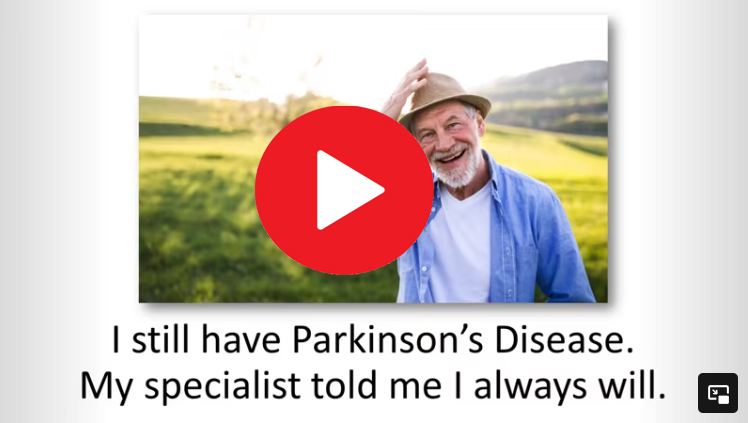
The Parkinson’s Protocol™ By Jodi Knapp Parkinson’s disease cannot be eliminated completely but its symptoms can be reduced, damages can be repaired and its progression can be delayed considerably by using various simple and natural things. In this eBook, a natural program to treat Parkinson’s disease is provided online. it includes 12 easy steps to repair your body and reduce the symptoms of this disease. The creator of this program has divided into four segments to cover a complete plan to treat this disease along with improving your health and life by knowing everything about this health problem. The main focus of this program is on boosting the levels of hormone in your brain by making e a few easy changes in your lifestyle, diet, and thoughts

I’m Mr.Hotsia, sharing 30 years of travel experiences with readers worldwide. This review is based on my personal journey and what I’ve learned along the way. Learn more |